

Introduction: The Student Beyond the Stereotype
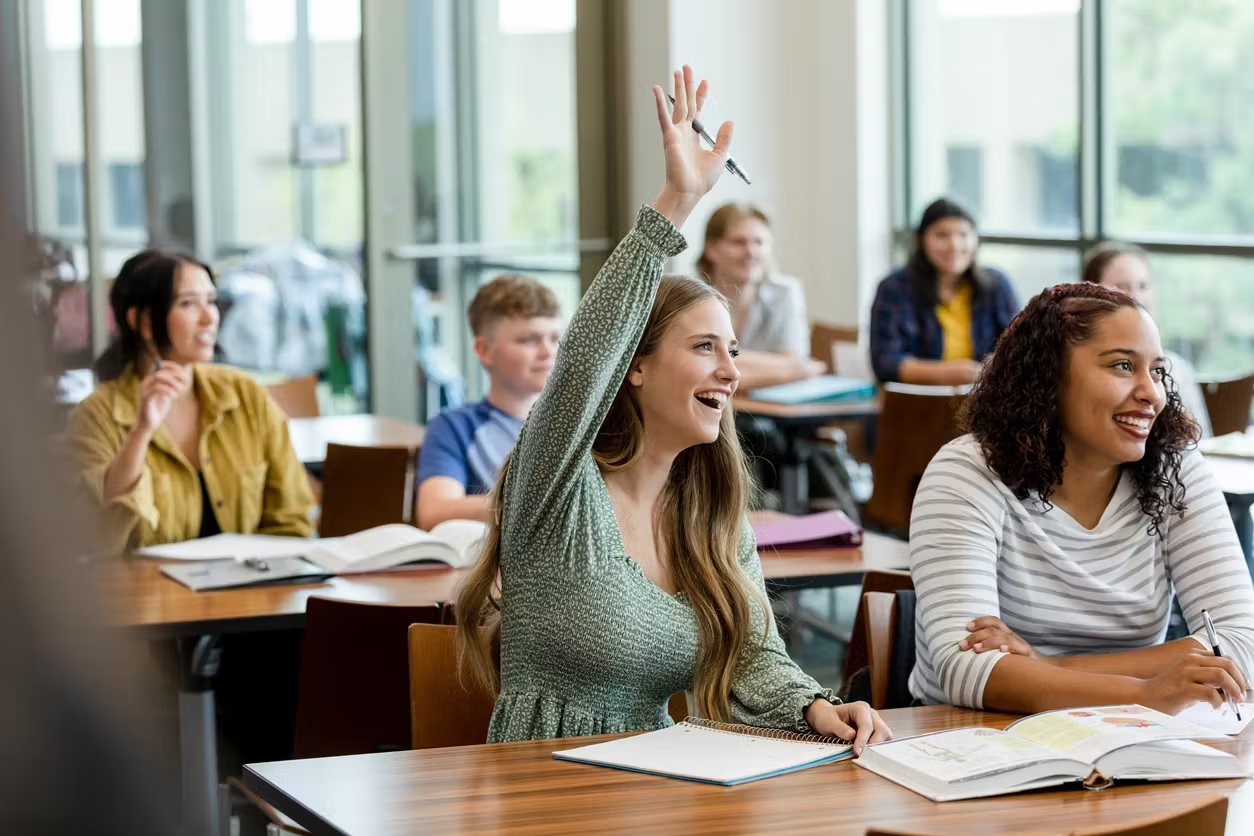
When we hear the word “student,” we often imagine someone sitting at a desk, poring over textbooks or scribbling notes in a lecture hall. While this image still holds some truth, it no longer captures the full picture of what it means to be a student in today’s fast-changing world. The modern student is not just a learner—they are a digital navigator, a critical thinker, a future leader, and often a multitasking individual balancing academics with personal, social, and sometimes professional responsibilities. Being a student today is as much about acquiring knowledge as it is about shaping one’s identity, building resilience, and preparing to thrive in an unpredictable global landscape.
The Evolving Definition of a Student
Traditionally, students were defined by age, institution, and curriculum. But that definition has evolved. Students now span generations, cultures, and geographies. Whether it’s a child in primary school, a university undergraduate, a working adult pursuing a professional certificate, or a retiree enrolling in online courses for personal growth, the student identity is no longer confined by time or place.
Who qualifies as a student in the modern context?
-
School-age children receiving primary or secondary education
-
University and college attendees pursuing degrees or diplomas
-
Adult learners acquiring new skills for career shifts or enrichment
-
Online course participants exploring subjects from coding to philosophy
-
Individuals engaged in informal learning through self-study or mentorship
In essence, a student is anyone committed to learning, regardless of age or setting.
The Life of a Student: More Than Academics
While academic performance is a core element of student life, it is by no means the only one. The experience of being a student involves emotional development, social learning, and the cultivation of discipline, independence, and empathy.
Key components of student life:
-
Time management: Balancing classes, assignments, and revision with other responsibilities
-
Social dynamics: Forming friendships, joining clubs, and learning teamwork
-
Mental well-being: Managing stress, expectations, and personal growth
-
Identity formation: Exploring values, beliefs, and future ambitions
-
Financial awareness: Budgeting, part-time jobs, and understanding the value of money
These experiences are not just accessories to learning—they are integral to it. The growth that happens outside the classroom often shapes character as much as, if not more than, academic lessons.
Challenges Faced by Modern Students
Being a student today presents both unprecedented opportunities and complex challenges. The pressure to excel, the distractions of technology, and the uncertainties of the future all converge to create a demanding environment.
Common challenges include:
-
Academic pressure: High expectations, competitive environments, and test-focused systems
-
Mental health concerns: Anxiety, burnout, and loneliness
-
Digital overload: Managing screen time and online distractions
-
Financial stress: Rising tuition fees, living expenses, and student debt
-
Unclear futures: Navigating career paths in a rapidly evolving job market
Supporting students requires not only institutional reforms but also a cultural shift that values holistic development over mere grades and performance.
The Role of Technology in Student Life
Technology has dramatically transformed the way students learn and interact. From online research to digital collaboration tools, it has made education more accessible, interactive, and customized. Yet it also introduces new layers of responsibility and risk.
Ways technology is reshaping education:
-
Online learning platforms: MOOCs, webinars, and virtual classrooms open up global learning opportunities
-
Productivity tools: Apps for time management, note-taking, and organization support academic success
-
Access to information: Instant access to resources empowers students to take control of their learning
-
Social connectivity: Digital communities and study groups foster peer support
While technology enhances learning, students must also be taught how to use it critically, ethically, and effectively.
Building the Ideal Student Mindset
Success as a student is not determined solely by intelligence or talent. A growth mindset, emotional intelligence, and resilience play a critical role in long-term success and well-being.
Qualities that define an empowered student:
-
Curiosity: A genuine desire to understand and explore
-
Discipline: The ability to stay focused and committed to goals
-
Adaptability: Navigating change with openness and flexibility
-
Critical thinking: Questioning, analyzing, and making informed decisions
-
Collaboration: Working effectively with peers and learning from others
These soft skills are just as essential as academic knowledge, and they prepare students to thrive not only in school but in life.
The Importance of Support Systems
No student should have to succeed alone. Support from family, educators, peers, and mentors is vital to student success. Encouragement, understanding, and access to resources can make a significant difference in a student’s journey.
Support systems that matter:
-
Parental involvement: Offering emotional support and celebrating achievements
-
Teacher guidance: Providing mentorship, feedback, and encouragement
-
Peer networks: Creating study groups and emotional connections
-
Counseling services: Addressing mental health and academic stress
-
Career advisors: Helping students plan for the future with clarity
When students are surrounded by people who believe in their potential, they are more likely to rise to challenges and realize their goals.
Students as the Leaders of Tomorrow
Students are not just preparing for the future—they are the future. The habits they build, the values they embrace, and the knowledge they acquire will shape the world in the decades to come. Today’s students will become tomorrow’s innovators, educators, entrepreneurs, policymakers, and visionaries.
Encouraging students to think beyond textbooks—to engage with real-world problems, to be socially aware, and to act with integrity—creates a generation that is not just educated, but empowered.
Conclusion: Honoring the Student Journey
Being a student is not a passive state—it is an active, courageous pursuit of knowledge, growth, and self-discovery. In an age where the pace of change is relentless, the student stands as a symbol of hope and possibility. With curiosity in their minds and determination in their hearts, students today are not just preparing for the world—they are reshaping it.
To support and celebrate students is to invest in a brighter, wiser, and more compassionate future. Their journey deserves not only our admiration but our commitment to ensure they have the tools, support, and freedom to become all they are meant to be.

Comments are closed.