
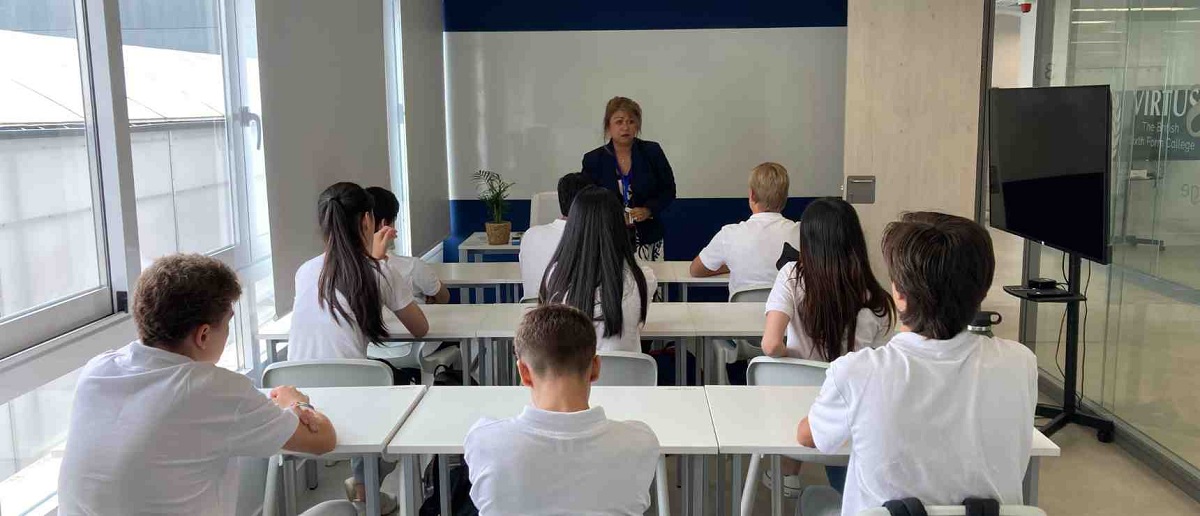

In an increasingly interconnected world, students in India and beyond are aspiring to join top global universities to pursue higher education and meaningful careers. Choosing the right pre-university pathway can significantly impact a student’s readiness for international academic environments. One of the most effective routes for this preparation is through 6th form sixth form schools, which provide a structured, enriching, and forward-looking education during the critical final years of secondary schooling.
6th form sixth form schools are designed to build both academic strength and personal maturity in students aged 16 to 19. This two-year phase focuses on advanced subject study while also fostering essential skills like critical thinking, effective communication, research capabilities, and global awareness. By blending academic rigor with holistic development, these schools equip learners with a solid foundation for the demands of higher education abroad and the competitive selection processes of universities worldwide.
A key strength of sixth form schools lies in their academic curriculum. Rather than offering a broad set of subjects, students narrow their focus to a few advanced subjects that align with their interests and future ambitions. This specialization mirrors the style of study expected at many global universities, where depth of knowledge in a chosen field is valued. Teachers in sixth form settings emphasize understanding over memorization, encouraging students to explore concepts deeply, analyze information from multiple perspectives, and connect classroom learning to real-world issues.
Beyond subject expertise, sixth form schools place strong emphasis on developing research and independent learning skills. Students are often required to undertake substantial projects, extended essays, or independent study modules that mirror the type of work they will encounter in university. This process teaches students how to plan long-term assignments, use credible resources, structure arguments, and present findings—skills that are essential for success in undergraduate programs.
Another significant area of focus is critical thinking and problem solving. Global universities look for students who can think creatively, evaluate evidence, argue effectively, and adapt to new challenges. Through classroom discussions, inquiry-based learning tasks, debates, and collaborative projects, sixth form students hone these competencies. Educators act as facilitators, prompting learners to ask probing questions and arrive at informed conclusions rather than simply absorbing information.
Communication skills are equally important. Whether writing research reports, presenting in class, or participating in group work, students gain confidence expressing ideas clearly and persuasively. These competencies are vital for academic success in global universities where presentations, seminars, and written assessments are regular features of the curriculum. Sixth form schools often integrate opportunities for public speaking, debate clubs, and writing workshops that build fluency, clarity, and poise.
Cultural and global awareness is another dimension of preparation. With universities around the world attracting diverse student bodies, an understanding of different cultures, global issues, and international perspectives becomes a valuable asset. Sixth form schools typically include global contexts in their curriculum, expose students to international case studies, encourage participation in Model United Nations (MUN) or global forums, and celebrate cultural diversity within the school community. These experiences nurture empathy, open-mindedness, and the ability to engage respectfully with peers from varied backgrounds.
Preparing students for the university application process itself is a specialized focus in many sixth form schools. Students receive personalized guidance on selecting the right courses, preparing compelling personal statements, and meeting the specific requirements of various global universities. This includes help with standardized testing strategies, interview preparation, and building a strong portfolio of achievements. Career counselors work with learners to align their academic and extracurricular profiles with their university goals, ensuring that applications reflect both ability and aspiration.
Another notable advantage is the support for emotional and social readiness. Transitioning from school to university—especially abroad—can be challenging. Sixth form schools encourage resilience, time management, self-advocacy, and a balanced lifestyle. Through mentorship, wellbeing programs, and leadership opportunities, students develop confidence and maturity, enabling them to navigate new environments independently and positively.
Moreover, sixth form environments encourage a sense of community and collaboration. Instead of a purely competitive atmosphere, students learn to work in teams, respect diverse viewpoints, and support one another’s growth. These collaborative experiences mirror the cooperative culture of many global universities where group projects, peer learning, and interdisciplinary engagement are common.
For Indian students aspiring to study internationally, sixth form schools offer a bridge between local schooling and global higher education. They combine strong academic foundations with practical skills, cultural openness, and strategic support for university entry. This comprehensive preparation helps learners stand out in competitive application pools and thrive once they reach university campuses.
In conclusion, enrolling in sixth form schools offers students a clear pathway to succeed at global universities. Through specialized academic focus, development of critical life skills, exposure to international perspectives, and tailored guidance on applications, these schools nurture well-rounded individuals who are ready to embrace the challenges and opportunities of higher education worldwide. For students and parents considering options that extend beyond traditional curricula, sixth form education presents a powerful investment in future success.

Comments are closed.